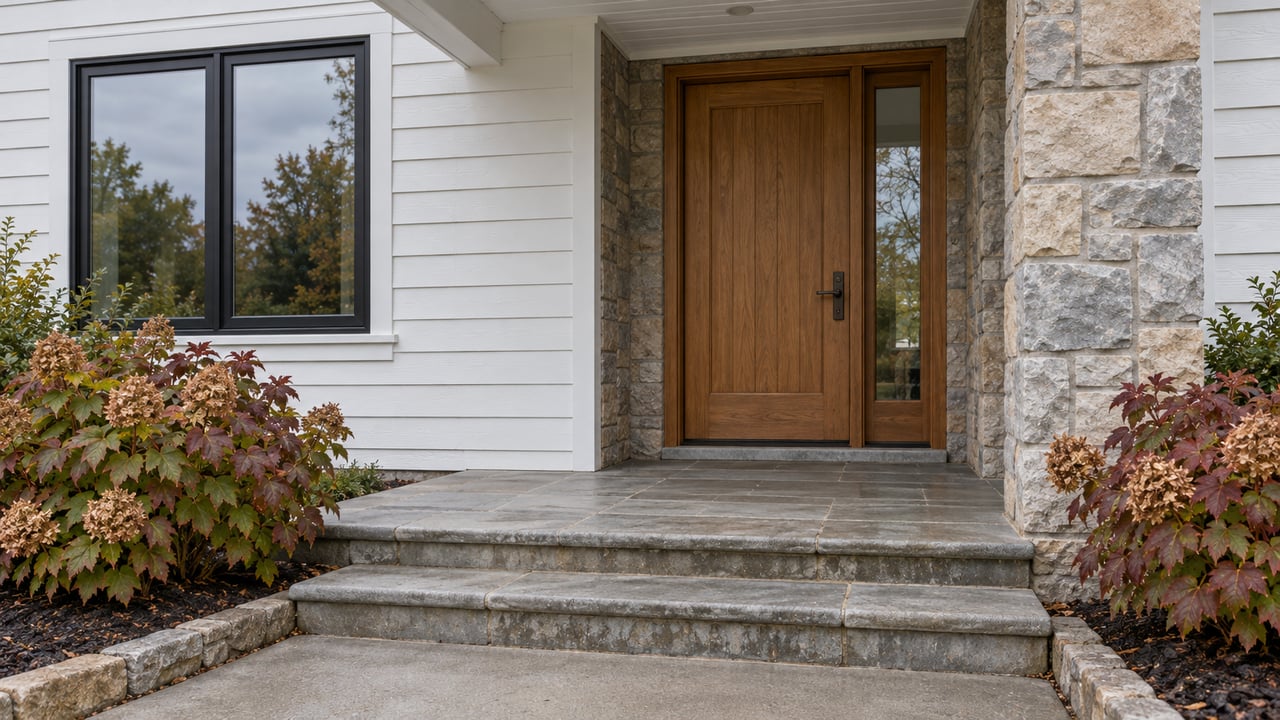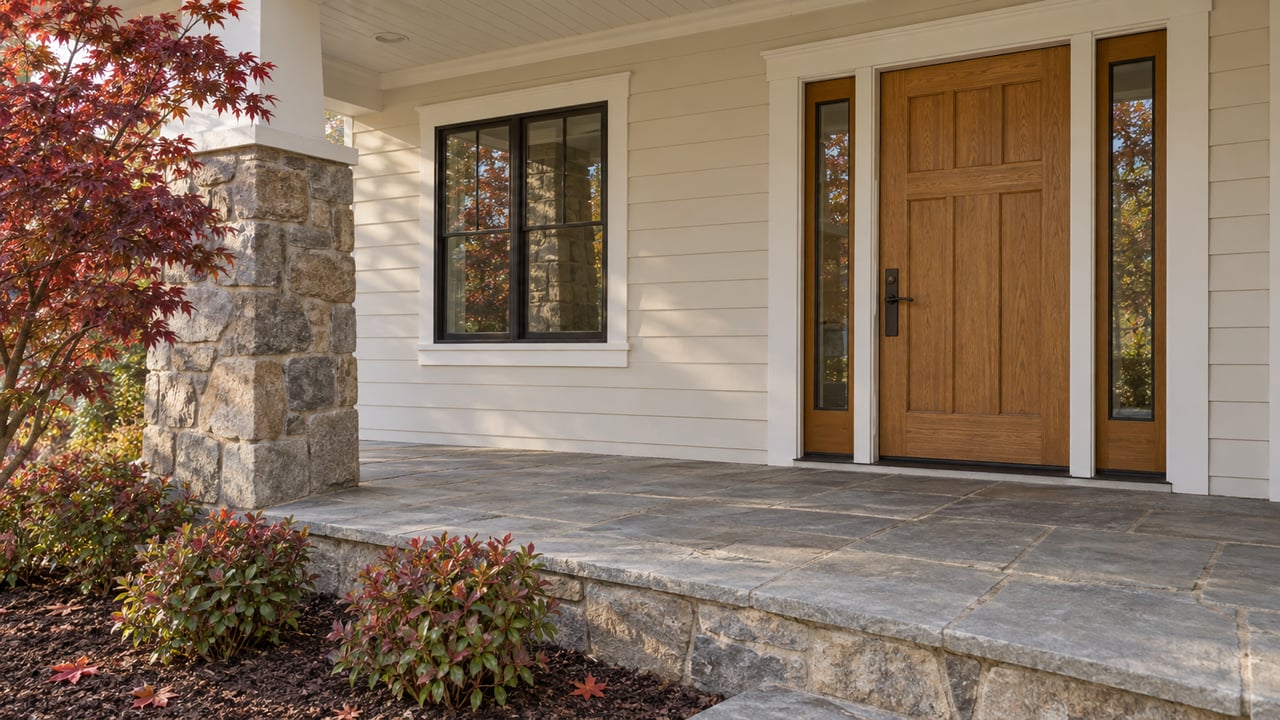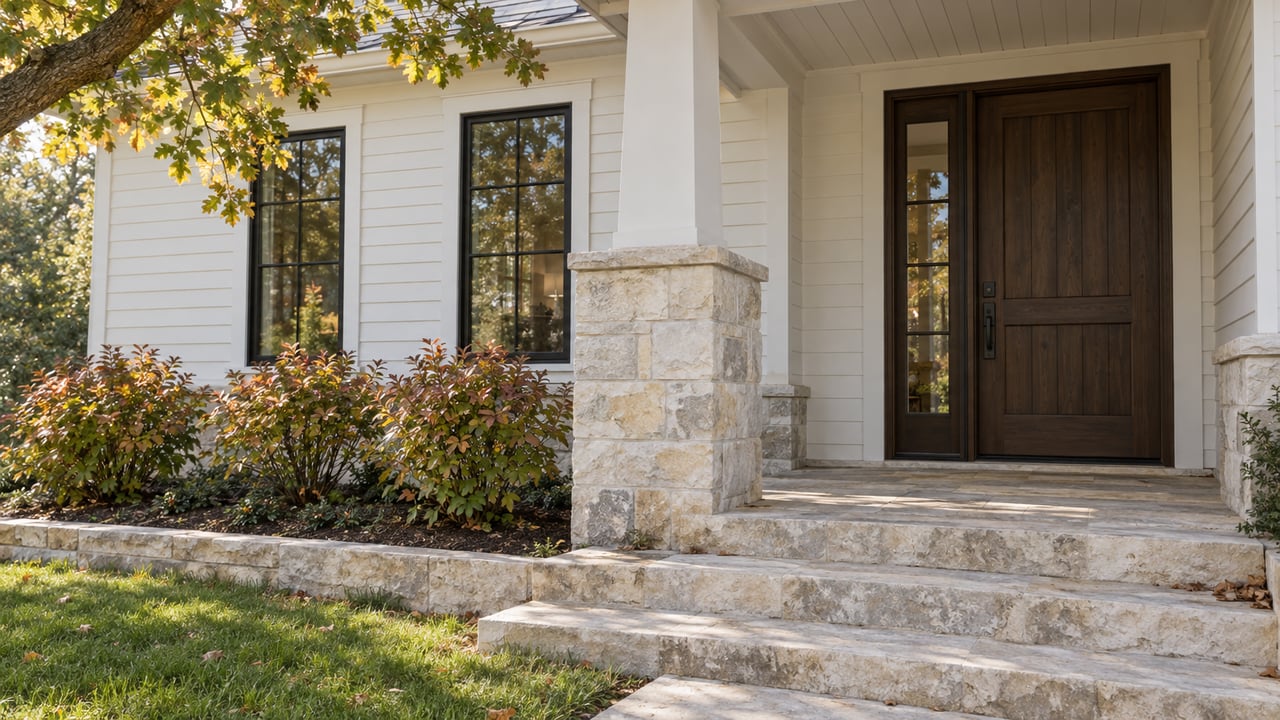
Picture a buyer who closes on a Craftsman bungalow two blocks off Canton Street and wants a screened porch built before spring. The contractor gives a quote, the buyer assumes the city visit is a formality, and then finds out Roswell's zoning code says Fulton County won't open a building permit until a separate approval clears first, at a body most new owners have never heard of: the Roswell Historic Preservation Commission. Depending on the scope of the porch, that review might be a quick staff sign-off or a full hearing in front of a seven-member volunteer board. Nobody mentioned this at closing. It only shows up once the address is yours.
That sequence, not the sale price, is the real story of buying inside Roswell's Historic District. Everyone assumes the historic core commands a premium because it's the most photographed part of town, all mill ruins and gas lanterns and Canton Street patios. The resale numbers tell a different story.
The Sale Price Doesn't Match The Reputation
Pull the numbers from inside the district rather than from the neighborhood's reputation, and the story flips. FMLS-sourced tracking for the Roswell Historic District puts the trailing 12-month median sale price somewhere between $550,000 and $615,000, depending on the exact pull date. Citywide Roswell medians for roughly that same window have run higher across multiple trackers, landing anywhere from about $602,500 to $675,000. Set the two side by side and the neighborhood everyone assumes is the priciest corner of Roswell is, by its own resale figures, tracking at or below the city as a whole.
That's not a fire sale. Homes inside the district still move quickly, averaging around 44 days on market against a 53-day national average. Buyers aren't staying away. But the number on an individual sale here tells you less about what the neighborhood is actually worth than most guides assume, because so much of the district's value doesn't show up in a resale price at all.
| Roswell Historic District (trailing 12 months) | Roswell Citywide (same window) | |
|---|---|---|
| Median sale price | $550,000 – $615,000 | $602,500 – $675,000 |
| Days on market | ~44 days (vs. 53-day national average) | 47–77 days, depending on the tracker |
The Zip Code Everyone Quotes Is Bigger Than You Think
Search for a Roswell historic premium and you'll usually land on a zip code comparison instead of a neighborhood one. Zip 30075 shows an average home value well above the citywide Roswell figure, and that gap gets repeated online as proof of a historic-core markup. It isn't one.
Zip 30075 covers 29.8 square miles. It stretches past downtown into Mountain Park and unincorporated pockets, and it feeds schools nowhere near Canton Street, including Sweet Apple Elementary and Mountain Park Elementary, right alongside walkable-core schools like Vickery Mill Elementary. Blend a 29.8-square-mile zip with newer, larger-lot subdivisions into one average, and of course it comes in higher than the historic core alone. The number people cite as the district's premium is mostly measuring homes that are nowhere near the district.
Where The Money Is Actually Going
If the historic core isn't commanding a resale premium, the obvious question is where the money is going instead. Mostly into the ground itself, and into what's replacing older structures on it.
Walking distance from Canton Street and Roswell Area Park, a half-acre corner lot on N. Coleman Road recently hit the market specifically as a teardown, marketed to builders looking to clear a 1967 house and replace it with new construction on a street one listing called "one of Roswell's top redevelopment streets." That's the pattern here: land close to downtown holds its value almost regardless of the structure sitting on it, while the resale price of the existing house lags behind.
The city's own investment tells a similar story. Southern Post, a mixed-use project built on the site of a former strip shopping center, has leased up close to downtown foot traffic, and construction began in February 2026 on The Chambray, a 125-room boutique hotel next door, targeting a summer 2027 opening. None of that capital is chasing existing single-family resale value. It's chasing land and new construction, which is exactly the kind of activity a median sale price for older homes will never capture.
The Approval You Don't Know You Need Until You Need It
Here's the part that actually reshapes a renovation budget. Roswell's own zoning code is direct about the sequence for anything inside the Historic Overlay District:
No Land Disturbance Permit or Building Permit shall be issued without approval of a Certificate of Appropriateness.
That single line is the entire mechanism. A Certificate of Appropriateness has to clear before Fulton County will even open a standard building permit, not alongside it. The city splits that certificate into two tracks: a Minor Certificate that staff can approve directly, and a Major Certificate that has to go in front of the full Historic Preservation Commission. Which track a given deck, window swap, or addition lands on depends on scope, and there's no way to know without asking the city's Community Development Department directly. Routine maintenance and like-for-like repairs are excluded, so repainting the same color or patching a roof with matching shingles doesn't trigger review. Anything that changes the exterior's material, design, or arrangement does.
Outside the district, the comparison isn't close. Roswell's Design Review Board handles design review for development outside the Historic District, but it doesn't touch detached single-family homes at all. A homeowner three miles from Canton Street replacing windows or adding a deck answers to Fulton County's building code. A homeowner two blocks off Canton Street answers to the Historic Preservation Commission first, and Fulton County second. Layer that onto the fact that Fulton County permitting tends to run slower than some neighboring counties, and a project that takes a few weeks outside the district can take considerably longer inside it.
The Tax Credit That Just Changed The Math
There's a real upside attached to that extra layer of review, and it changed on January 1, 2026. Georgia's state income tax credit for rehabilitating a historic home has long been available to properties individually listed on the National Register or contributing to a National Register historic district. The Georgia Department of Community Affairs says legislation passed in 2024 and effective for 2026 expanded the credit to reach homes designated or contributing under local law alone, even without a National Register connection. The Georgia Department of Community Affairs says applications opened October 1, 2025, and qualifying rehabilitation work has to begin on or after January 1, 2026.
The practical question for a Roswell buyer is which boundary a specific address actually falls inside. A home that's locally designated may only have gained access to this credit this year. That's worth asking directly, of the seller's agent or the city's Community Development Department: is this parcel contributing to the National Register district, or only inside the newer local overlay boundary? The answer determines whether the credit applies at all, and since when.
None of this is automatic. The Current reports that, to qualify as a Historic Home rehabilitation, the state generally requires qualified rehabilitation expenses to exceed the lesser of $25,000 or half the property's adjusted basis. This isn't tax advice, and the rules around basis, depreciation, and carryforward periods are detailed enough that anyone weighing a renovation here should talk to a tax professional and check current guidance from the Georgia Department of Community Affairs before building a budget around it.
Questions Worth Asking Before You Write An Offer
- Is this address inside the Historic Overlay District, and separately, was it confirmed as a contributing structure to the National Register nomination?
- For any exterior work you're planning, will it need a Minor or Major Certificate of Appropriateness, and how has that review been running lately?
- Has the seller kept records of prior Certificates of Appropriateness for work already completed on the house?
- What's the lot size and street position, given how much of the district's current value is tied to land near Canton Street rather than the structure sitting on it?
None of this makes the Historic District a harder place to call home. It makes it a different kind of transaction than the sale price alone suggests, one where the paperwork sequence and the land underneath the house carry as much weight as the number on the listing. Buyers who ask these questions before closing tend to end up with a clearer budget and fewer surprises six months in.
If you're comparing a home near Canton Street against something newer on Roswell's edges, Occasio Collective can walk through the comps, the current review timelines, and what a specific address's tax-credit eligibility looks like before you write an offer. Reach out to receive exclusive listings in Roswell's Historic District and beyond.