Ever picture your morning starting with a quiet ride along fenced pastures, then easing into the day from a sunlit kitchen that overlooks acres of green? If you’re drawn to space, privacy, and a true horse-friendly culture, Milton delivers a rare mix of rural character and luxury living. In this guide, you’ll learn how Milton supports equestrian and estate properties, what lot sizes can accommodate, and the key rules to know before you buy or build. Let’s dive in.
Why Milton is horse country
Milton does more than allow horses. The City actively supports them through a dedicated Equestrian Committee, a public catalog of local horse farms, and a riding-facility submission process designed to help owners and businesses share accurate information. You can see this commitment on the City’s Equestrian Community page.
The broader lifestyle picture includes trails and thoughtful connectivity. Milton prioritizes multi-use paths and has a revived Trails Advisory Committee to guide investments. The City is advancing a connection to the regional Big Creek Greenway, which adds a powerful amenity for residents who value outdoor access. You can follow progress in the City’s Trails Prioritization update and the Greenway connection project news.
Zoning basics for horse properties
Milton’s AG-1 zoning district is the backbone for equestrian living. It permits single-family homes, agriculture, livestock, and riding areas, with clear standards that protect neighbors and animal welfare. The City’s zoning code details where and how equestrian structures can be sited. Review the AG-1 provisions directly in the zoning code.
Key rules to know:
- Buildings used to house animals must sit at least 100 feet from all property lines.
- Uncovered riding areas are generally allowed on residential parcels, with added conditions in some cases.
- Covered riding arenas are allowed on 5+ acres with a use permit.
- Lighted, covered arenas or arenas with seating are limited to 10+ acres and require a use permit.
These thresholds are central to planning your site. If you want a covered or lighted arena, your acreage and permitting path will guide what is possible.
Unified Development Code, made simple
Milton adopted a Unified Development Code in April 2024 to consolidate and clarify standards across the City. The UDC preserves the agricultural and equestrian framework while making procedures easier to navigate. For background, see the City’s Unified Development Code page. For exact use rules and acreage thresholds, rely on the AG-1 zoning text.
Lot sizes and what they support
Milton defines a “large lot” as 3+ acres for purposes of its policy work on preservation and incentives. That benchmark, along with AG-1 thresholds, creates a practical way to think about properties by size. Learn more on the City’s Large Lot Incentives page.
Here’s how acreage often aligns with amenities:
- About 1–3 acres: Hobby-farm feel with a yard, small paddock, and possibly a compact barn or run-in shed. Some uses may trigger extra steps, so confirm specifics in the code.
- About 3–10 acres: Multiple paddocks, 3–8 stall barns, cross-fenced pastures, and an uncovered riding ring are common at this scale.
- 10+ acres: Space for full-scale equestrian setups, including covered arenas and seating where permitted by the code’s 10-acre rule and use-permit process.
These are patterns you’ll see across Milton. Your exact options depend on zoning, setbacks, and whether you plan any covered or lighted facilities.
Conservation tools that protect character
Milton’s landscape stays rural by design. The City limits higher-density growth to select areas and uses conservation tools to keep large properties intact. One of the most important is the Transfer of Development Rights program. If a qualifying property becomes a TDR “sending site,” the owner can place a permanent conservation easement on it and privately transfer the development credits. This keeps the land open while allowing increased density in planned “receiving” areas like Crabapple or Deerfield. Explore the program on the City’s Land Conservation and TDR page.
Together with limited sewer expansion and an urban growth strategy, these tools help preserve Milton’s low-density, equestrian-friendly setting across much of the city.
Trails, parks, and outdoor access
If you love to be outside, Milton’s approach to trails adds real value. The City prioritizes multi-use links in Crabapple, Deerfield, and key parks, and it is working to connect to the regional Big Creek Greenway. This kind of access supports daily recreation, longer weekend rides, and a healthier connection to nature. You can track priorities in the City’s Trails Prioritization update and monitor progress on the Big Creek Greenway connection.
What estate living looks like in Milton
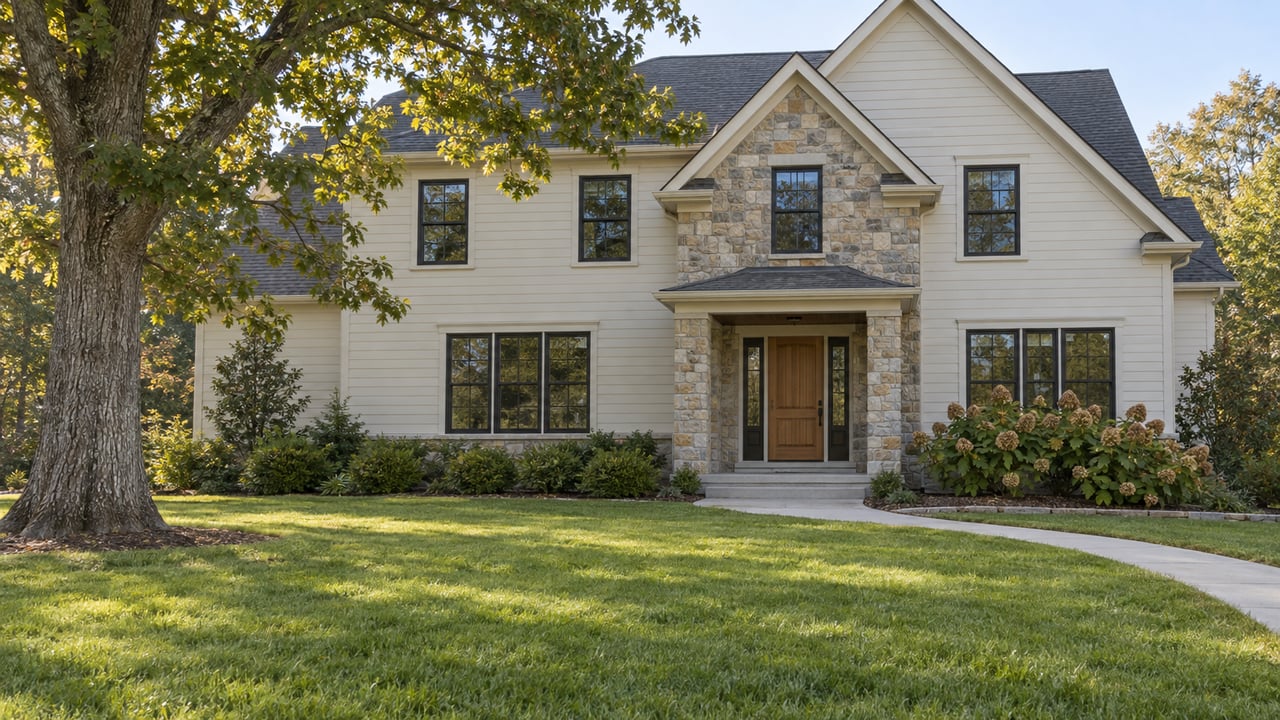
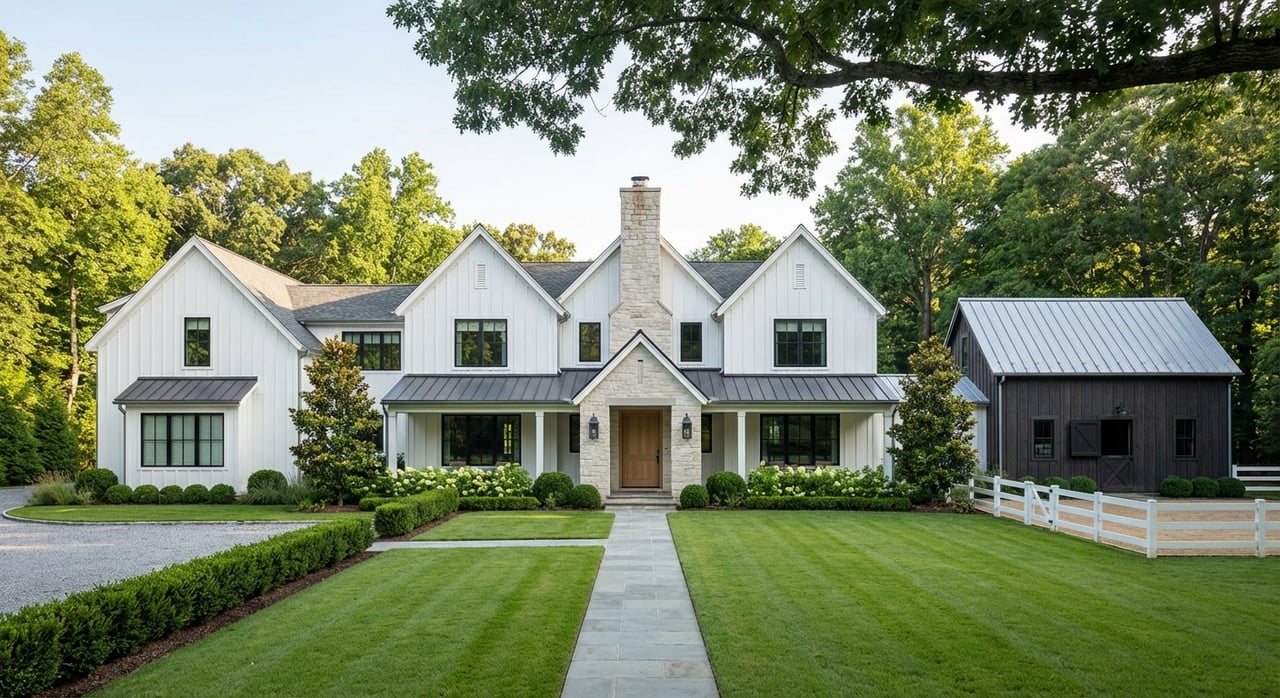
Luxury estates in Milton come in a range of styles, from modern Southern farmhouses to English country and brick manor homes. Expect long, private drives, deep setbacks, and mature trees that frame the residence. Public listing examples often highlight how indoor-outdoor living unfolds across generous lawns and landscaped patios. For a sense of what’s on the market, browse representative listings for Milton on this public MLS aggregate.
Equestrian amenities you’ll frequently see include:
- Barns with stalls, tack rooms, and hay storage.
- Paddocks and cross-fenced pastures, often with three-board or post-and-rail fencing. Agricultural fencing is addressed in the City code; review fence standards in the code section on fences and walls.
- Riding rings or arenas. Whether a ring can be uncovered, covered, lighted, or paired with seating depends on acreage and permitting under AG-1.
- Accessory structures like run-in sheds, carriage houses, and detached garages, plus luxury add-ons such as pools, sport courts, and guest houses.
Buyer checklist: plan your move with confidence
Use this quick list to align your vision with Milton’s rules and programs.
- Confirm zoning and district. Start with the City’s zoning resources to see if a property is AG-1 or another district with different standards. Visit the Zoning page.
- Map your barn and arena concepts early. Remember the 100-foot setback for any building that houses animals. For arenas, match your plans to the code: 5+ acres for covered arenas with a use permit and 10+ acres for lighted covered arenas or seating with a use permit.
- Check for conservation easements or TDR status. Easements are permanent and affect future subdividing. Learn how TDR works on the City’s Land Conservation page.
- Understand large-lot policies. Milton’s incentives work centers on 3+ acre lots, with ideas that may streamline certain approvals on very large parcels over time. See the City’s Large Lot Incentives overview.
- Consider agricultural valuation options. Programs like CUVA are handled at the county and state level, and the City references them as part of its large-lot strategy. If you qualify, these can influence your property tax picture.
- Align lifestyle with trail access. Milton is actively investing in trails and a Greenway link, which can elevate daily living and long-term appeal. Follow updates through the City’s trails and project news.
Selling an equestrian or estate property
To maximize your result, present both the home and the land as a complete lifestyle package.
- Organize documentation. If you have permits for barns or arenas, collect approvals, surveys, and site plans. Buyers value clarity.
- Map amenities and flow. Show how paddocks connect to the barn, where the ring sits, and how vehicles or trailers move on-site.
- Highlight connectivity. If your property is near prioritized trail segments or planned links, include that context.
- Stage the land. Freshly mowed pastures, cleared fence lines, and tidy arenas photograph beautifully and communicate care.
You do not need to navigate the details alone. Our team pairs local market insight with practical transaction strategy so you can move forward with confidence.
Ready to explore Milton’s equestrian lifestyle?
If you’re considering a move to Milton or plan to sell an estate, we’re here to help you make a smart, confident decision. Reach out to Occasio Collective to discuss your goals, compare neighborhoods, and receive curated listings that match your vision.
FAQs
What zoning allows horses in Milton?
- Most equestrian properties fall under AG-1, which permits single-family homes, agriculture, livestock, and riding areas, all subject to siting and permitting rules outlined in the City’s zoning code.
How big must my lot be for a covered or lighted arena in Milton?
- A covered arena is allowed on 5+ acres with a use permit; a lighted covered arena or an arena with seating requires 10+ acres and a use permit under current AG-1 rules.
What is Milton’s Transfer of Development Rights program?
- TDR lets qualifying owners place a permanent conservation easement on a “sending site,” then privately transfer development credits to designated “receiving areas,” which preserves open land while enabling targeted growth.
How does Milton support equestrian culture beyond zoning?
- The City maintains an Equestrian Committee, public-facing farm resources, and a riding-facility submission process, plus active planning for trails and a Big Creek Greenway connection that enhances outdoor access.
What fencing rules apply to farms in Milton?
- Agricultural fencing is addressed in the City code, and standards vary by type and location on the property. Review the fence and wall section before installing or modifying fences.