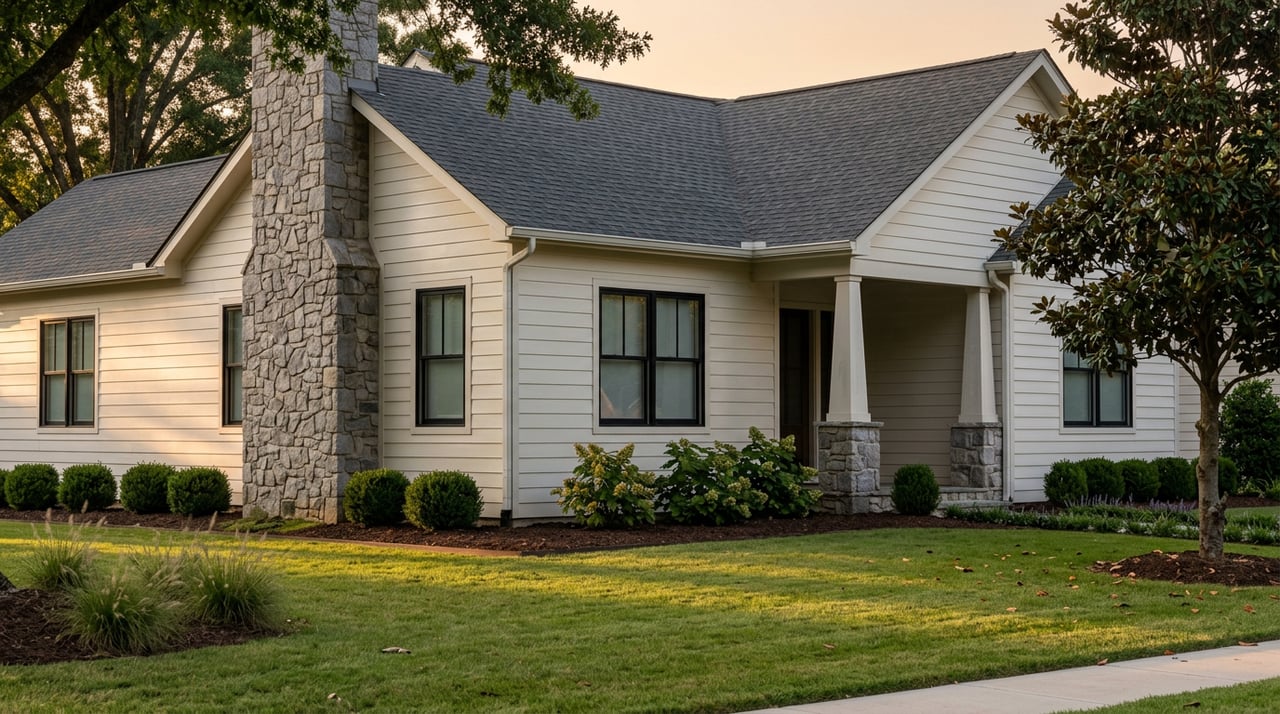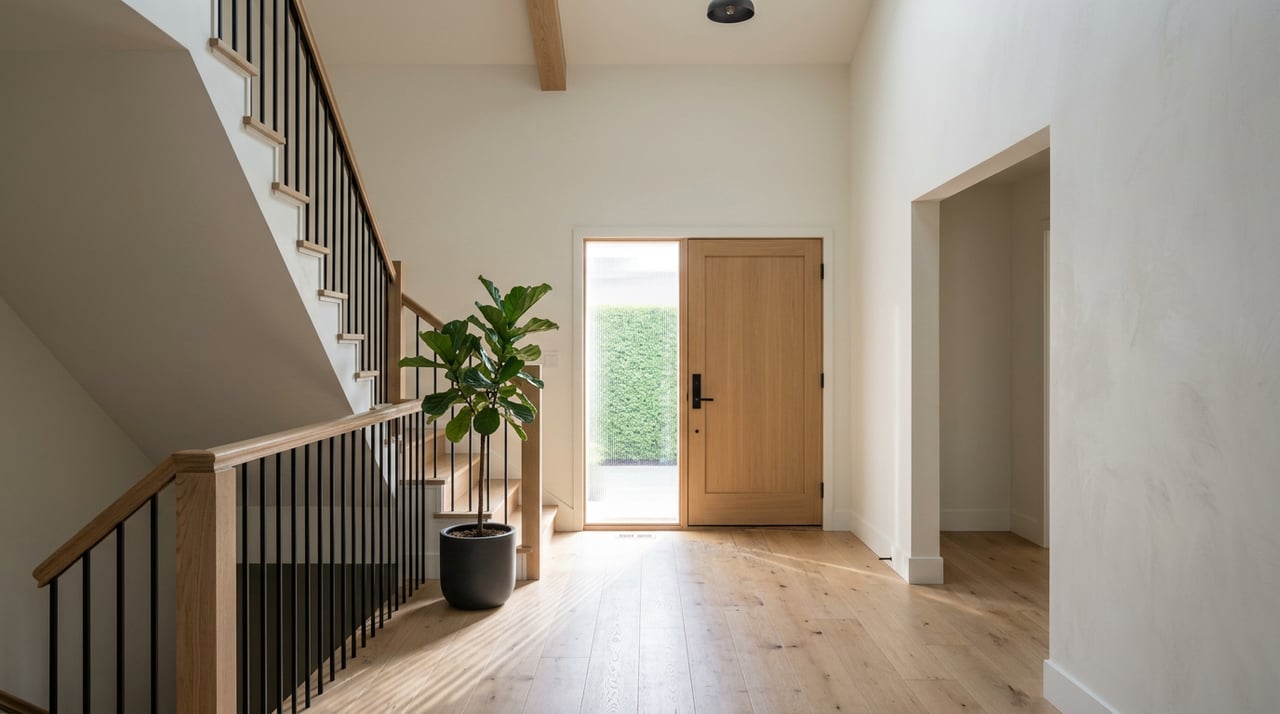
Wondering where Milton’s high-end market is heading next? If you are planning a move, the difference between listing now or later — and what price you choose — can add up to real money. In this guide, you’ll learn how to define “luxury” in Milton, which MLS signals matter most, and how gated and golf communities can shape pricing and time on market. Let’s dive in.
What counts as luxury in Milton
Luxury is local. In Milton, a practical way to define luxury is to use two checkpoints:
- Price threshold: Start with $1,000,000 and above. This is a simple, recognizable milestone for Milton’s upper tier.
- Top-percentile cross-check: Compare that against the top 5–10% of recent Milton sales in the MLS. If the top 10% starts at a higher number than $1M, use that number as your luxury benchmark.
You can also layer in product type. In Milton, luxury often includes estate-style single-family homes on 1+ acres, golf-front properties, custom builds, and equestrian-friendly parcels. Using both price and product type paints a more accurate picture of the true high-end segment.
The MLS metrics that matter
Inventory and months of supply
- Active luxury listings: A rising count typically gives buyers more leverage. A shrinking count often favors sellers.
- Months of supply: This is supply divided by the monthly sales rate. As a rule of thumb: about 3 months is balanced, less than 3 favors sellers, more than 6 favors buyers. Compare luxury months of supply to citywide supply and the 12‑month average to see who holds the advantage.
Market velocity
- Median Days on Market (DOM): Track DOM for the luxury bracket versus the overall Milton market. A widening gap suggests luxury is moving slower and may require sharper pricing or standout marketing.
- List-to-contract time: Watch the time from listing to going under contract. If this shortens, demand is firming.
- Pending ratio: Pending listings divided by active listings. A higher ratio signals stronger buyer activity.
Price performance
- Median sold price and year-over-year change: Shows direction without the noise of outliers.
- Sale-to-list price ratio: Luxury often has more room to negotiate. Ratios near or above 98–100% can indicate tight supply and multiple-offer conditions.
- Price per square foot: Useful for comparing across different home sizes and features.
Listing quality and pricing signals
- New luxury listings per month: Tells you how quickly fresh options are coming online.
- Share of price reductions: A rising share can point to overpricing or softer demand.
- Days to first price reduction: If reductions happen sooner, sellers may be starting too high.
- Cash and nonconventional purchases: A higher cash share often reflects a confident, capable buyer pool.
Seasonality and trend context
Luxury in Milton often sees spring listing spikes and winter slowdowns. Pull 24 months of inventory and DOM to see the pattern. If you are close to a seasonal peak, timing your list date and pricing bands can make a noticeable difference.
What drives luxury demand in Milton
Schools and family amenities
Many move-up buyers weigh proximity to public and private schools and family amenities. When you evaluate options, review objective performance data and commute patterns to daily activities. Clear school and amenity context helps buyers judge value.
Lot size, privacy, and rural-suburban feel
Milton is known for larger lots, mature trees, and a lower-density feel in parts of the city. For the premium segment, privacy, acreage, and outdoor living can justify higher prices and set listings apart.
Gated, golf, and equestrian lifestyle
Gated neighborhoods, club amenities, and equestrian-ready parcels attract buyers seeking security, recreation, and community life. These features can support a premium but also bring HOA dues and covenants that affect carrying costs and flexibility.
Commute and remote work
Access to GA‑400, area job centers, and the airport matters. With more hybrid and remote roles, buyers are often willing to trade commute time for lot size and at-home features like offices and outdoor spaces.
Interest rates and jumbo financing
Jumbo loan rates and underwriting standards directly affect the luxury buyer pool. Shifts in rates change purchasing power quickly, so monitor rate trends and preapproval strength before you set pricing or submit offers.
Taxes and carrying costs
Annual property taxes, special assessments, and HOA dues shape affordability at the top end. Clear disclosure of typical costs builds trust and helps prevent late-stage surprises.
Gated and golf communities: what to know
Buyer profiles and motivation
Buyers include households seeking amenities and a managed environment, relocating professionals, and downsizers who want club life and lower-maintenance living. Golf-front homes can see seasonal demand patterns tied to lifestyle and membership interest.
Pricing dynamics and premiums
Golf-front and equestrian-ready properties can command premiums, but pricing is highly specific to views, course quality, parcel size, and recent comps inside the same gate. When inventory is tight within a community, premiums rise; when several similar homes are available, prices compress.
HOA rules, covenants, and dues
HOA dues, special assessments, and architectural guidelines influence demand. Clear, early documentation helps buyers understand standards and costs and supports smoother appraisals.
Financing and appraisal
Unique luxury homes can face appraisal challenges because comparable sales are limited. Sellers can reduce risk by aligning list price with realistic comps and offering a comp packet, detailed feature lists, floor plans, and high-quality photos.
Effective marketing channels
For these homes, invest in lifestyle photography and video, drone coverage for acreage and views, twilight exteriors, and virtual tours for out-of-area buyers. Broker-to-broker outreach across metro Atlanta expands exposure to qualified prospects.
Timing, pricing, and marketing playbook
Signs it may be smart to list now
- Luxury months of supply is falling and sits below the recent average.
- DOM is stable or improving compared with last quarter.
- Pending ratio is rising and more sales are closing at or near list price.
- Fewer price reductions and solid showing traffic.
Signs to price conservatively or wait
- Months of supply is climbing year over year for luxury.
- More frequent price reductions and longer DOM in your price band.
- Several similar listings are competing near your target price.
- Mortgage rate spikes are thinning the jumbo buyer pool.
Pricing guidance that works
- Anchor to recent luxury comps within 6–12 months and within similar communities or lot types.
- Avoid aspirational starts. If needed, plan staged, modest reductions at clear price floors rather than one large drop.
- Prep for appraisal. Provide a thorough comp package and consider a pre-inspection to reduce due‑diligence friction.
Marketing that moves premium buyers
- Lead with lot, privacy, outdoor living, and premium finishes.
- Use high-end visuals: drone, lifestyle video, floor plans, and virtual showings.
- Conduct targeted broker outreach and relocation-focused exposure.
Likely concessions and negotiation points
- In cooling phases, buyers may request seller-paid closing costs, rate buydowns, or home warranty credits. Plan for a small concession range in your net sheet.
- In tight, in-demand communities, buyers can stand out with flexible closing timing or stronger earnest money.
For buyers: compete without overpaying
Get fully underwritten for a jumbo loan or bring proof of funds if paying cash.
Focus on micro-markets. Track months of supply and DOM by community or product type.
Use price-per-square-foot as a cross-check, then layer in lot size, outdoor spaces, and renovations.
Be offer-ready with inspection and appraisal strategies if you target rare, low-inventory homes.
For sellers: protect value from list to close
- Right-price from day one to avoid early staleness and later reductions.
- Invest in presentation that highlights acreage, privacy, and amenity access.
- Prepare documentation: upgrades list, surveys, floor plans, HOA documents, and a comp packet to support appraisals.
- Track weekly signals: showings, online saves, agent feedback, and nearby price changes. Adjust quickly if demand softens.
Ready to move with confidence in Milton’s luxury market? For a tailored strategy on timing, pricing, and marketing — and to receive curated property opportunities — connect with the Occasio Collective. Receive Exclusive Listings.
FAQs
What price point defines luxury in Milton, GA?
- Many buyers and sellers use $1,000,000 and above as a starting point, then confirm by checking the top 5–10% of recent local sales to set a market-calibrated luxury line.
Which MLS metrics best show if it’s a seller’s market for luxury homes?
- Focus on months of supply, DOM, and the pending ratio. Under roughly 3 months of supply often favors sellers, while more than 6 months leans toward buyers.
How do gated and golf communities affect pricing in Milton?
- These homes can carry premiums tied to views, amenities, and inventory inside the gate. When similar listings stack up, premiums narrow; when supply is scarce, premiums expand.
What features drive top dollar for Milton’s luxury homes?
- Larger lots and privacy, outdoor living areas, updated kitchens and baths, and strong amenity access often command higher prices in Milton’s premium segment.
How fast are luxury homes selling compared with the broader Milton market?
- Track median DOM for the luxury bracket versus citywide DOM. A shorter luxury DOM signals strong demand; a longer one suggests buyers have leverage and sellers need sharp positioning.
What should luxury buyers know about financing and appraisals?
- Jumbo loans come with stricter underwriting, and unique high-end homes may face appraisal challenges. Strong preapproval or proof of funds and realistic comps help deals stay on track.