Thinking about selling your Suwanee home this winter? You are not alone. Many Gwinnett homeowners want to move but wonder if colder months will hurt their price or drag out the timeline. The good news is that winter can work in your favor when you price smartly, prep well, and time your launch.
In this guide, you will learn how winter shifts buyer behavior in Suwanee, what data to use to estimate your sale price, and the practical steps that help you stand out. You will also see example timelines and negotiation tips tailored to our local market. Let’s dive in.
Suwanee winter market basics
Seasonal patterns are real. Activity and prices typically peak in spring and early summer, then slow in late fall and winter. Metro Atlanta saw strong price growth during 2020 and 2021, followed by moderation in 2022 and 2023 as mortgage rates rose. Recent data shows many suburban submarkets, including Gwinnett County, stabilizing rather than dropping.
What does that mean for you in Suwanee? Expect fewer new listings and a smaller buyer pool in winter. At the same time, the buyers who are active now tend to be more motivated. Relocations, job changes, and life events drive decisions, which can keep demand steady for well-presented homes.
You should also expect longer average days on market than in spring and fewer multiple-offer situations. Inventory can be tight in certain neighborhoods, which helps well-priced homes hold value. Local months-of-supply and active competition will shape your outcome.
How to estimate your sale price
A strong winter valuation starts with fresh, local data. Focus on your immediate neighborhood and similar homes that sold recently.
Key data to review
- Closed sales from the last 30 to 90 days in Suwanee that match your beds, baths, square footage, lot size, and condition.
- Active listings and pending sales competing for the same buyers right now.
- Days on market and list-to-sale price ratios from the last 60 to 120 days.
- Price per square foot trends inside your subdivision or nearby peer communities.
Use MLS-grade comps when possible, and verify any public estimates with local data. In a cooling or flat environment, give more weight to the most recent closed sales. Adjust for condition, upgrades, outdoor spaces, basement finish, and neighborhood amenities.
What changes in a winter valuation
- There are usually fewer new listings, so active inventory matters more. If your price tier shows limited competition, you may not need deep discounts.
- If your tier has many options or new construction nearby, be more price sensitive and build in negotiation room.
- Mortgage rates affect affordability and buyer pool size. If rates have moved recently, price with that in mind.
When to list this winter
Timing can boost your exposure. Early November can capture motivated buyers before the holiday slowdown. January and February are also strong, as many buyers re-enter the market after the holidays. Mid-December often brings fewer showings due to travel and events, so plan around that if you can.
If you are flexible, consider pre-marketing before the holidays and launching fully in early January. If you need speed, pair a competitive price with strong photography and clear buyer terms.
Price strategy that works now
Winter rewards clarity and realism. A sharper list price can shorten days on market and limit the need for reductions.
- Anchor your price to the most recent comparable sales. Adjust for size, condition, and upgrades.
- Compare your home to current active listings to find the best value position.
- Avoid pricing that skips key online search bands. Choose round numbers buyers actually filter for.
- Build in flexibility with credits or timing rather than padding your list price. This helps you protect the number while solving buyer concerns.
- If inventory is light in your pocket of Suwanee, you may hold a firmer line. If it is heavy, lean more competitive to earn early attention.
Prep your Suwanee home for winter buyers
Presentation is everything when outdoor curb appeal is muted. Aim for warm, bright, and move-in ready.
- Lighting: Replace bulbs, add lamps, and set lights to show your home in a warm, inviting way. Twilight photos and evening showings can highlight this.
- Climate: Keep the home comfortably warm during showings, replace HVAC filters, and show service records. Buyers notice comfort and maintenance.
- Staging: Declutter, depersonalize, and remove heavy holiday decor for photos and showings. Focus on clean lines and cozy spaces.
- Curb care: Clear leaves and debris, refresh mulch, trim shrubs, clean gutters, and make sure exterior lighting works.
- Safety: Confirm smoke and carbon monoxide detectors are installed and operational.
A pre-listing inspection is a smart winter move. It helps you spot issues early, price accurately, and reduce contract friction later.
Marketing that draws winter buyers
Your marketing should help time-constrained buyers picture daily life in your home.
- Professional interior photography with multiple angles and bright, consistent lighting.
- A complete virtual tour and floor plan for remote and relocation buyers.
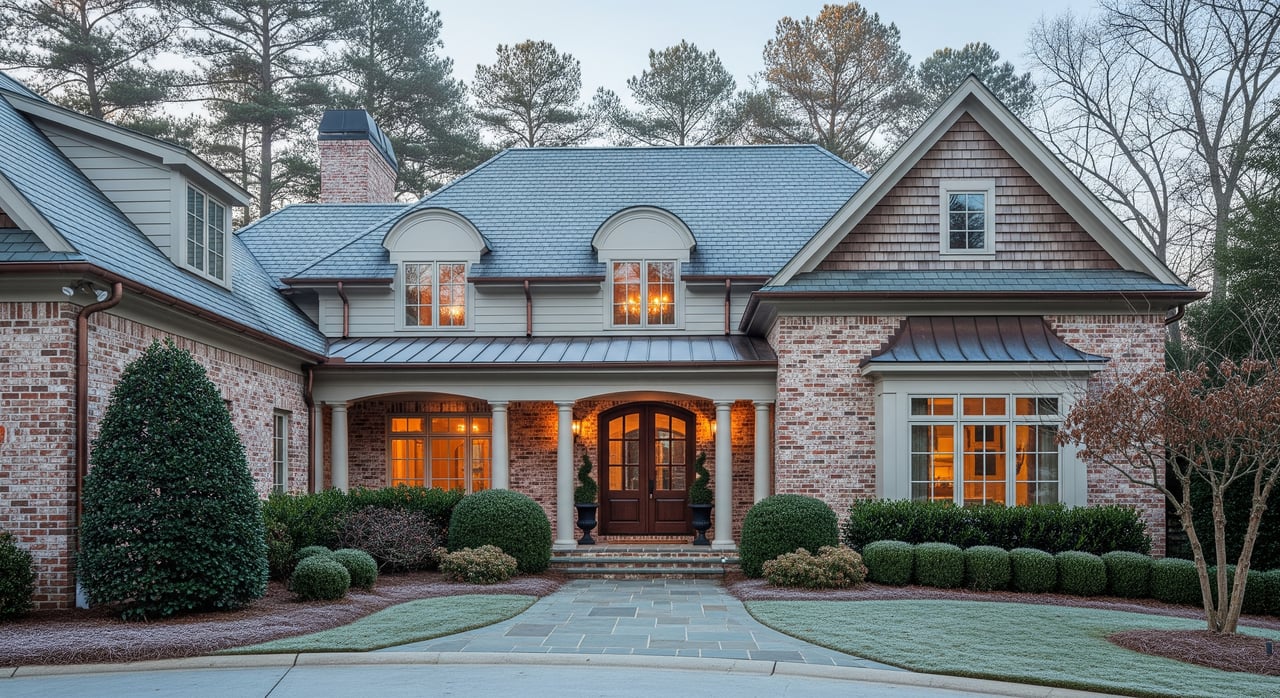
- Twilight images that showcase warmth and architectural details.
- Broad exposure through MLS syndication and targeted promotion to relocation audiences.
- Open houses that avoid major holiday weekends and are timed for daylight and convenience.
Negotiation levers in winter
Motivated buyers appreciate clarity and flexibility. You can protect your price while meeting their needs.
- Offer credits toward buyer closing costs to help with affordability.
- Provide flexible closing and possession dates to align with job start dates or school calendars.
- Consider a home warranty or minor repair credits in place of deeper price cuts.
- Be ready to respond quickly on inspection items to keep timelines intact.
Timeline examples to set expectations
- Example A, quicker path: List in early January with a competitive price and polished presentation. Expect to go under contract in 2 to 6 weeks, with a 30 to 45 day closing if the buyer uses a conventional loan and inspections and appraisal are smooth.
- Example B, longer path: List in November with an aggressive price. Plan for 60 or more days on market, potential price adjustments into January or February, and a closing later in the season.
Your actual timeline depends on your price tier, neighborhood supply, and how your home stacks up against active competition.
Estimate your net proceeds
Beyond the sale price, winter carries practical costs and choices that affect your bottom line.
- Carrying costs: Factor in a few extra months of mortgage, utilities, insurance, and HOA dues if you plan to move first.
- Prep and repairs: Budget for touch-up paint, servicing mechanicals, and minor fixes that help you pass inspections.
- Concessions: Model scenarios for buyer credits or warranties. These can expand your buyer pool without slashing price.
- Taxes and timing: Some sellers prefer to close in a specific tax year. For personal tax questions, consult a qualified tax professional.
A custom net sheet that reflects current Suwanee comps, realistic timelines, and your move plan will help you decide whether to list now or wait for spring.
A local plan for your price and timing
Winter can be an excellent window in Suwanee when you match price, presentation, and timing to real-time neighborhood data. Fewer competing listings and motivated buyers can offset softer traffic. The key is a valuation built on the last 30 to 90 days of closed sales, a clear read on months-of-supply, and a marketing plan that showcases comfort and care.
If you would like a tailored winter valuation, we will analyze your exact subdivision, price tier, and active competition, then deliver a plan for list price, timing, and expected net. When you are ready, reach out to the team at Occasio Collective for a private consultation.
FAQs
Is it smarter to wait until spring to sell in Suwanee?
- Spring often brings more buyers and higher peak prices, but also more competition; if inventory is low in your neighborhood and your home is market ready, winter can be just as effective.
How do winter mortgage rates affect my sale price?
- Rates influence affordability and the size of the buyer pool; if rates rise, be more price sensitive and use credits to help buyers, and if rates ease, demand can stabilize or improve.
What should I fix before a winter listing in Suwanee?
- Prioritize safety and systems, service the HVAC, replace filters, address obvious repairs, and consider a pre-listing inspection to reduce surprises and speed closing.
Will I still see multiple offers this winter in Suwanee?
- Multiple offers are less common in winter but still happen for well-priced homes with limited competition; your neighborhood’s months-of-supply is a key indicator.
How long will it take to sell a Suwanee home in winter?
- Plan for longer average days on market than spring; with competitive pricing and strong presentation, contracts in 2 to 6 weeks are common, while overpricing can push 60 days or more.